

The sound is unmistakable. Three strings produce a gentle, rhythmic melody heard at festivals, traditional performances and gatherings across Okinawa. More than a musical instrument, the sanshin carries centuries of Ryukyuan history and remains one of the islands’ most distinctive cultural symbols.
The sanshin traces its ancestry to the Chinese sanxian, a three-stringed instrument believed to have reached the Ryukyu Kingdom during the late 14th century. Ryukyuan craftsmen adapted the instrument, developing the distinct form known today. By the 17th century, the sanshin had become an important court instrument, accompanying music and performances throughout the kingdom. It later influenced the development of the Japanese shamisen.

Traditional sanshin construction remains a specialized craft, with its long, fretless neck carved from dense hardwoods such as Okinawan ebony, known as kuruchi, as well as rosewood and yushiki (or isunoki). Python skin is stretched across the wooden sound box, helping create the instrument’s characteristic tone. Historically, the skin came from reticulated pythons obtained through trade rather than snakes native to Okinawa. Today, makers may use legally imported python skins from regulated suppliers, while some contemporary instruments use synthetic or alternative coverings. Three strings extend from the body along the neck and are plucked with a finger pick, traditionally made from materials such as water buffalo horn.
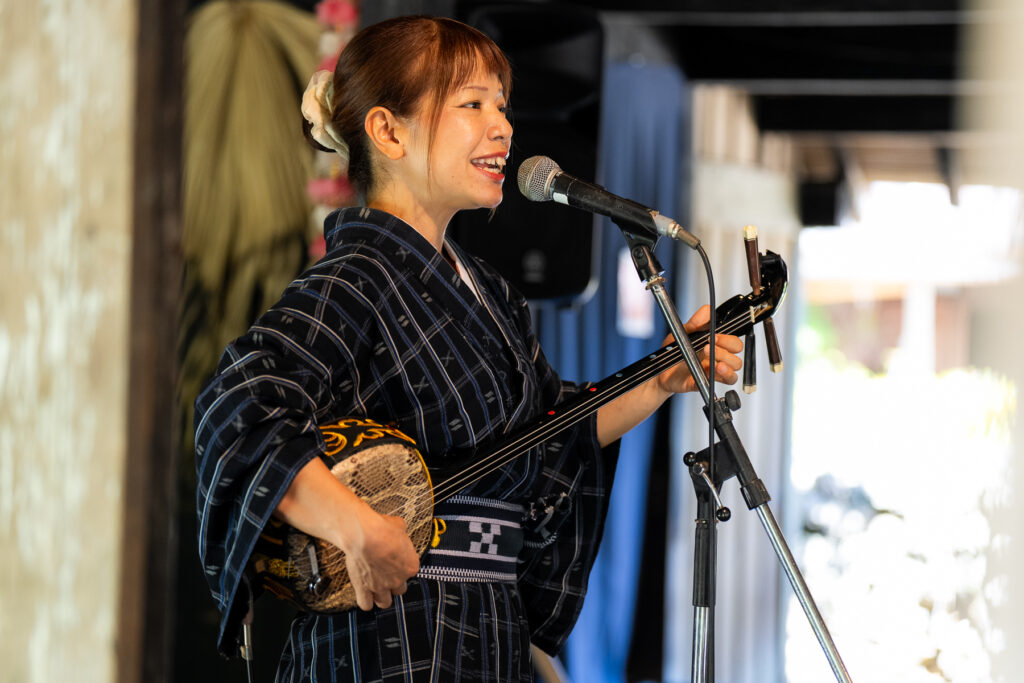
Over time, the instrument moved beyond the royal court and became closely associated with the music of everyday Okinawans. Folk songs accompanied by the sanshin told stories of love, work, separation and home, while individual islands and communities developed their own musical traditions, styles and lyrics.
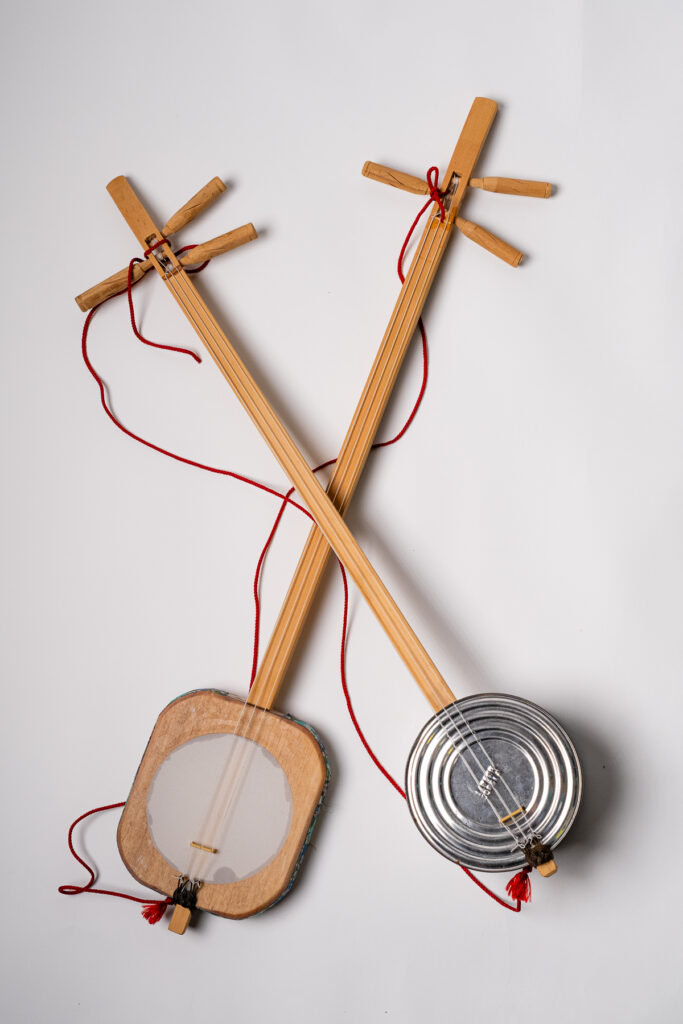
Its cultural importance became particularly evident in the aftermath of the Battle of Okinawa. With traditional instruments difficult to obtain, Okinawans created kankara sanshin from discarded cans and available materials, including parachute cord for strings. These improvised instruments helped bring music back into communities rebuilding after the war.
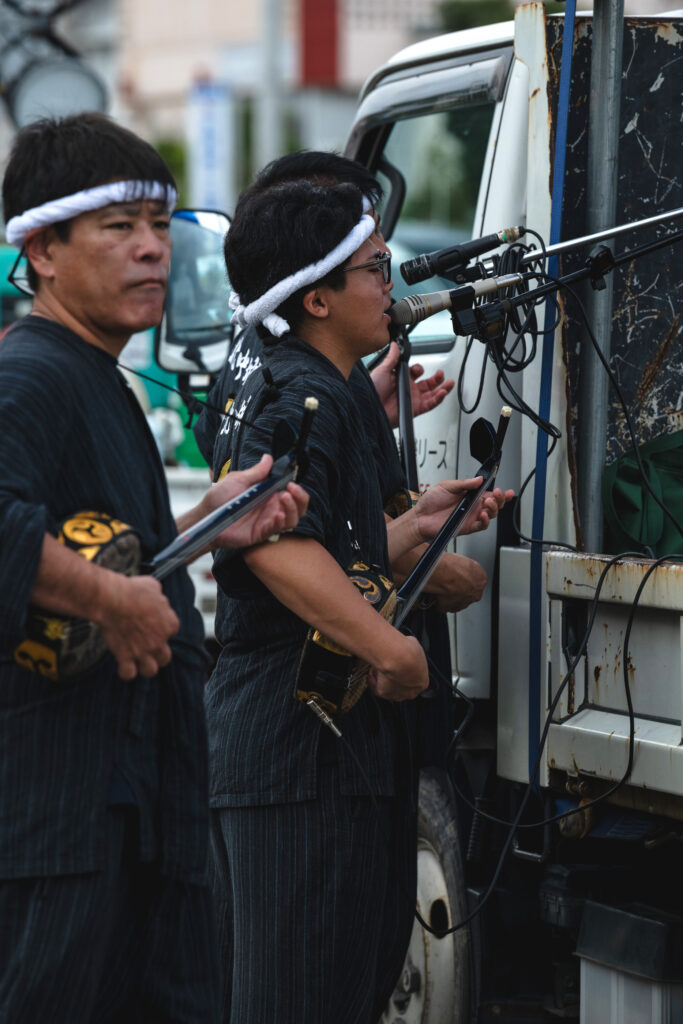
Today, the sanshin remains central to Okinawan music and performing arts. It accompanies Kumi odori, a traditional form of Ryukyuan musical theater, and continues to appear in contemporary Okinawan music. Modern musicians have also brought the instrument into genres such as pop, rock, jazz and reggae. By adapting its distinctive sound to new styles, they are introducing the sanshin to new audiences while preserving its connection to Okinawan culture.
For those interested in hearing the sanshin in a traditional performance, ITT offers opportunities to attend Kumi Odori performances at the National Theatre Okinawa. Those who would rather try the instrument themselves can also check with Arts and Crafts for available sanshin classes.
Article and photography: Marina Chayka